














How Home Care Services Reduce Loneliness in Seniors | Expert Guide
Discover how home care services can reduce loneliness in seniors. Learn the emotional benefits of home care and how home health care services provide companionship.

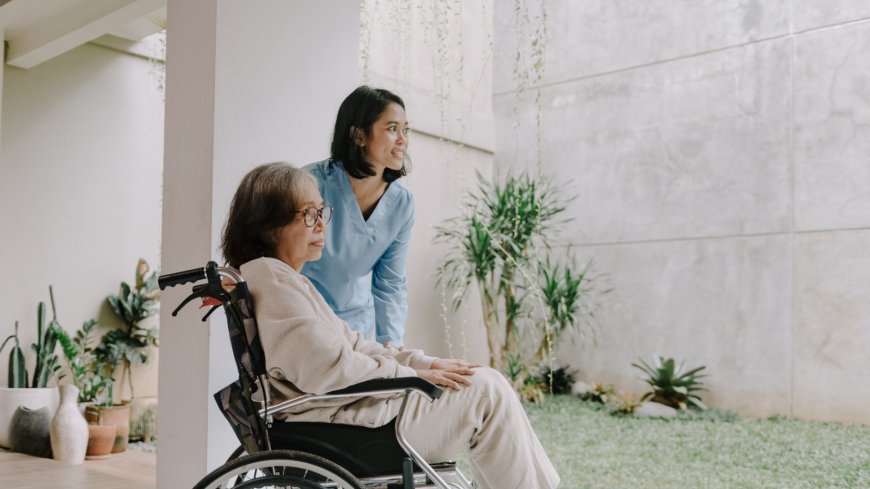
Loneliness among seniors is an increasingly common issue, especially for those living alone or dealing with mobility and health challenges. Research shows that social isolation can have serious consequences, such as depression, cognitive decline, and even a higher risk of mortality. Thats where home care services can make a significant differencenot just in meeting physical needs but in improving emotional and mental well-being.
In this blog, we'll explore how caregiversthrough structured and compassionate home carecan help reduce loneliness in seniors and why choosing professional home health care services might be one of the most impactful decisions for aging loved ones.
Understanding the Impact of Loneliness on Seniors
Before diving into solutions, it's important to understand the scope of the problem. Studies suggest that:
-
Nearly 1 in 3 seniors live alone.
-
Loneliness is linked to a 26% increased risk of early death.
-
Social isolation increases the risk of dementia by 50%.
Seniors may become isolated for many reasons: the loss of a spouse, retirement, health problems, or lack of nearby family. As emotional well-being is deeply connected to physical health, loneliness can quickly become a downward spiral.
How Home Care Services Provide Companionship and Emotional Support
1. Regular Interaction and Socialization
One of the greatest advantages of home care services is the regular presence of a caregiver who provides both assistance and companionship. This ongoing relationship offers seniors someone to talk to, share experiences with, and look forward to seeing daily or weekly.
Caregivers often engage in:
-
Conversational companionship
-
Playing games or reading books
-
Accompanying seniors on walks or errands
-
Celebrating birthdays and holidays
These small interactions have a big emotional payoff, helping seniors feel seen, valued, and connected.
2. Promoting Independence in a Safe Environment
One overlooked contributor to loneliness is the feeling of helplessness. Seniors who rely on others for mobility, hygiene, or transportation may feel like a burden. With home health care services, seniors can maintain a sense of autonomy while receiving the support they need.
Caregivers empower seniors by:
-
Assisting without overstepping boundaries
-
Encouraging participation in daily activities
-
Helping them maintain a routine
-
Supporting hobbies and interests
This balance of help and independence restores confidence and combats feelings of isolation.
3. Facilitating Communication with Family
Many home care providers also act as a communication bridge between seniors and their loved ones. They can assist with:
-
Phone calls or video chats
-
Sending emails or letters
-
Scheduling family visits
For families who live far away or lead busy lives, knowing a caregiver is keeping them connected with their aging relative provides peace of mind.
Specialized Home Health Care Services for Emotional Wellness
While general home care provides companionship, home health care services add a layer of specialized medical support. This includes skilled nurses, therapists, and mental health professionals who can assess and address emotional concerns directly.
Benefits include:
-
Monitoring for signs of depression or anxiety
-
Coordinating mental health support
-
Offering cognitive therapy and memory care
-
Managing medications that impact mood
By integrating physical and mental health care, seniors receive a holistic plan that supports both body and mind.
Customizing Care to the Individual's Needs
One of the most powerful aspects of home care services is the personalization of care plans. Caregivers can tailor their support to the senior's:
-
Personality
-
Medical history
-
Social preferences
-
Cognitive condition
This approach ensures that seniors receive care that not only meets their practical needs but nurtures their emotional life as well.
The Role of Technology in Reducing Loneliness
Modern home care often integrates technology to keep seniors connected. Some providers include:
-
Companion robots or smart assistants
-
Tablets for video calls and social media
-
Telehealth appointments with therapists
When used appropriately, technology can enhance caregiving efforts, reduce isolation, and open doors to online communities and virtual hobbies.
Why Choosing Home Care Services Is a Smart Decision
Choosing home care services isnt just about medical needsits about emotional well-being. A professional caregiver does more than help with chores; they build relationships that matter. They offer empathy, presence, and patiencequalities that can dramatically reduce the feelings of loneliness and isolation that plague so many seniors today.
Whether your loved one needs full-time assistance or just a few hours a week, the right home care provider can improve their quality of lifeand yours.
Conclusion: A Simple Act That Makes a Big Difference
Loneliness doesn't have to be a normal part of aging. With the right support system and home care services, seniors can thrive emotionally, socially, and physically. Caregivers play a vital role in making that possibleproviding not just care, but connection.
If you're exploring options for a loved one, consider professional home health care services that prioritize companionship, emotional health, and personalized attention.