














No Symptoms? Why You Should Still Get an STD Test


Getting tested for sexually transmitted diseases (STDs) is a crucial part of maintaining sexual health. Many people assume that if they dont have symptoms, they dont need an STD test. However, this misconception can lead to undiagnosed infections, which may cause serious health complications over time. Regular Std Test Dubai is essential for early detection, effective treatment, and preventing the spread of infectionseven when no symptoms are present.
The Silent Nature of Many STDs
One of the biggest challenges with STDs is that many dont show any noticeable symptoms in the early stages. Infections like chlamydia, gonorrhea, and even HIV can remain dormant for months or years before causing any visible signs. Without an STD test, individuals may unknowingly carry and transmit these infections to their partners.
Common STDs That Often Have No Symptoms
Chlamydia Often called a "silent" infection, chlamydia rarely causes symptoms, especially in women. If left untreated, it can lead to pelvic inflammatory disease (PID) and infertility.
Gonorrhea Many people with gonorrhea experience no symptoms. When symptoms do appear, they may be mild and mistaken for a minor infection.
HIV Early stages of HIV may cause flu-like symptoms, but many people remain asymptomatic for years while the virus progresses.
HPV (Human Papillomavirus) Most HPV strains dont cause symptoms, yet some can lead to genital warts or even cancer if left undetected.
Herpes (HSV) Some individuals never develop symptoms, while others may have mild outbreaks that go unnoticed.
Since these infections can be asymptomatic, the only way to know for sure is through an STD test.
Why Regular STD Testing Matters
Even if you feel perfectly healthy, getting tested is a responsible choice for your well-being and your partners. Heres why regular STD testing is important:
Prevents Long-Term Health Complications
Undiagnosed STDs can lead to severe health issues. For example, untreated chlamydia or gonorrhea can cause infertility in women, while syphilis can damage the brain, heart, and other organs if not caught early. An STD test helps detect infections before they cause irreversible harm.
Protects Your Sexual Partners
Many STDs spread easily, even without symptoms. Regular testing ensures youre not unknowingly passing infections to others. If you test positive, you can seek treatment and take steps to prevent transmission.
Ensures Peace of Mind
Not knowing your STD status can cause unnecessary anxiety. Getting tested provides clarity and allows you to take control of your sexual health with confidence.
Who Should Get an STD Test?
The Centers for Disease Control and Prevention (CDC) recommends STD testing for sexually active individuals at different stages of life. Heres a general guideline:
Sexually Active Adults
Anyone who is sexually active should consider regular STD testing, especially if they have multiple partners or engage in unprotected sex.
Pregnant Women
STDs like syphilis, HIV, and hepatitis B can be passed to the baby during pregnancy or childbirth. Early detection through an STD test helps prevent complications.
Men Who Have Sex With Men (MSM)
This group has a higher risk of certain STDs, including syphilis and HIV. Regular screening is strongly advised.
Individuals With New or Multiple Partners
If youve started a new relationship or have more than one partner, getting tested ensures you and your partners stay safe.
How Often Should You Get Tested?
The frequency of STD testing depends on your sexual activity, risk factors, and overall health. Here are some general recommendations:
Annual Testing Sexually active individuals should get tested at least once a year.
Every 3-6 Months Those with multiple partners or higher-risk behaviors (e.g., unprotected sex) should test more frequently.
Before Starting a New Relationship Getting tested together with a new partner promotes transparency and trust.
An STD test is quick, confidential, and often covered by insurance, making it an easy step to prioritize.
How STD Testing Works
Many people avoid testing due to fear or uncertainty about the process. However, modern STD testing is simple, discreet, and efficient.
Types of STD Tests
Blood Tests Used for detecting HIV, syphilis, and hepatitis.
Urine Tests Common for chlamydia and gonorrhea screening.
Swab Tests Samples from the throat, genitals, or rectum may be taken for certain infections.
Physical Exams In some cases, a healthcare provider may check for visible signs like warts or sores.
The Testing Process
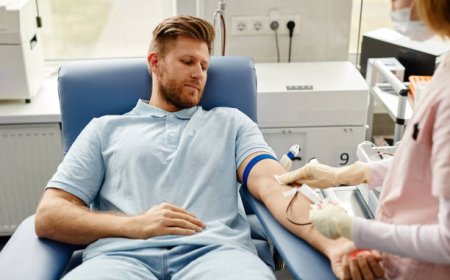
Most STD tests involve a quick sample collection (blood, urine, or swab) with results available within a few days. Many testing options are available at clinics, health centers, and even through at-home test kits for convenience.
Overcoming the Stigma Around STD Testing
Despite the importance of STD testing, many people avoid it due to embarrassment or fear of judgment. Its essential to remember that STDs are a common part of human health, and getting tested is a responsible, proactive choice.
Normalizing Sexual Health Checkups
Just like regular physicals or dental visits, STD testing should be a routine part of healthcare. Open conversations with partners and healthcare providers help reduce stigma and encourage more people to get tested.
Confidentiality and Privacy
STD testing is confidential, and results are protected under privacy laws. Many testing centers offer anonymous options for those who prefer extra discretion.
Final Thoughts: Take Charge of Your Sexual Health
An Std Test in Dubai is a simple yet powerful tool for protecting yourself and others. Even without symptoms, getting tested ensures early detection, effective treatment, and peace of mind. Whether youre in a long-term relationship, sexually active with multiple partners, or simply due for a checkup, regular STD testing should be a priority.
Dont wait for symptoms to appearschedule an STD test today and take control of your sexual health. Your body (and your partners) will thank you.