














How to Stay Safe on the Everest Base Camp Trail: A Comprehensive Guide
Embark on the Everest Base Camp trek with Sherpa Expedition & Trekking. A life-changing Himalayan journey to the foot of Mount Everest.
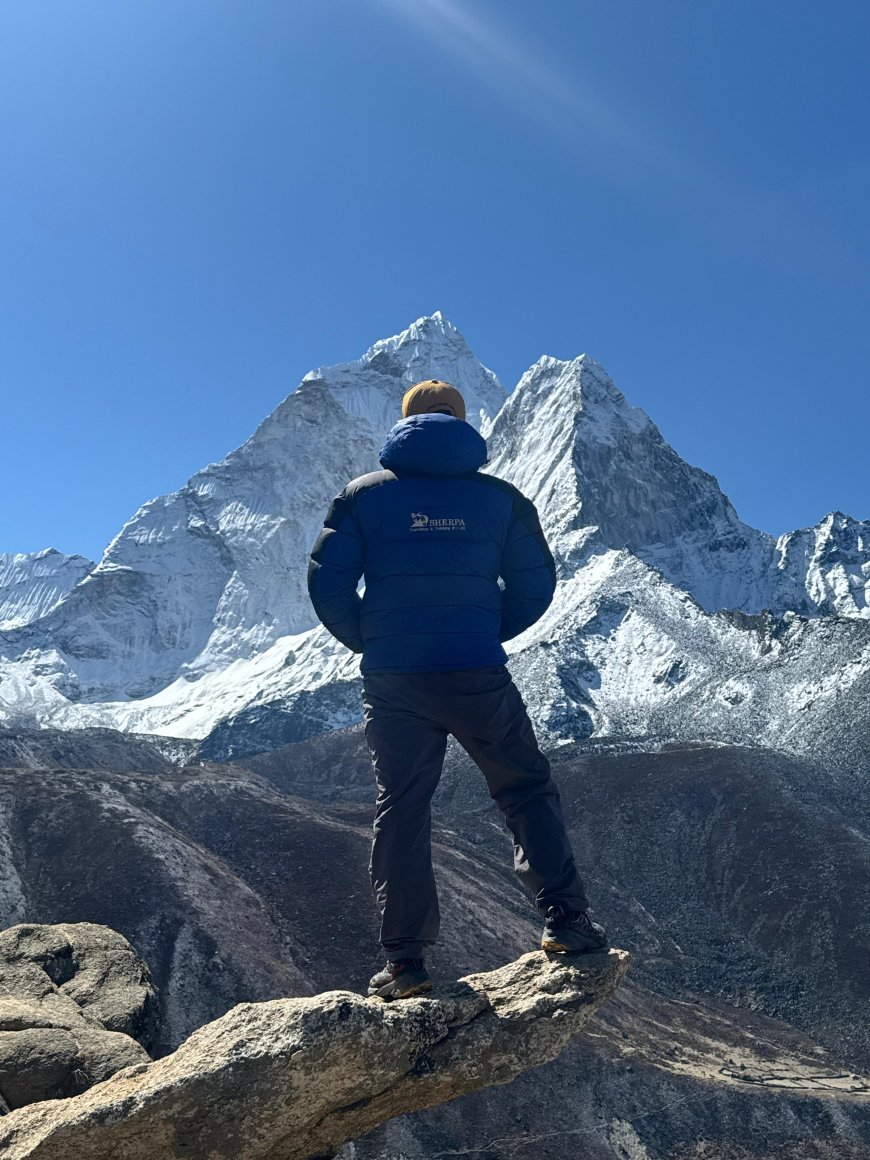
For many adventurers, an?Everest Base Camp Trek is the dream, yet a safe trek on this iconic path involves preparation and knowing what lies ahead. Youre heading to high altitudes, ever-changing weather, and harsh land, so safety should be a top consideration on your?trip.
One,?acclimatization is everything. The trail reaches altitudes over 5,300 meters,?where altitude sickness can be a concern. Climb gradually, rest?sets, days, and listen to your body. And if youre experiencing symptoms including headaches, nausea, or dizziness, then theres no question: Stop to rest?and recover. Staying hydrated and abstaining?from alcohol also assist your body in adapting.
The right?equipment can help. Good boots for hiking, enough layered clothing to survive a range of (mild)?temperatures, and a warm sleeping bag are essential. The weather can be fickle, and its a good idea to pack light rain?protection and warm clothing. A small first?aid kit,?sunscreen, and your sunglasses will help you in case of things like sunburn, blisters, or little accidents.
Good physical fitness is an?important safety factor. You should get your body ready for the trek with some cardio and strength, as it will increase?endurance and help prevent injuries. For additional stability on uneven trails, consider hiking with trekking poles; walking carefully, particularly on?steeper or icy parts, prevents falls.
And keeping in touch and informed is another key?safety aspect. People often make bad decisions when they are?tired or otherwise impaired without realizing it, no matter their experience or knowledge of the challenges ahead. Telling people where you plan to go, traveling with a charged phone or satellite system, and regularly checking weather forecasts can help you avoid most surprises. Experienced local guides reduce risk by having terrain knowledge?and the ability to get immediate assistance in an emergency.
Lastly, leaving a positive impact on the?environment and local culture will benefit the next generation of trekkers and contribute to keeping the trail safe and accessible. If you are well-prepared and vigilant, traveling to Everest Base Camp will be?an exciting and safe experience and a lifetime memory.
How to?Avoid Getting Sick While Trekking to Everest Base Camp
One of the most serious hazards?trekkers encounter on the Everest Base Camp trail is altitude sickness. It can be avoided through mindful preparation?and condition coordination. Ascend?gradually, no more than 300-500 meters per day once above 3,000 meters. Give?your body the chance to adjust by taking a rest day every 3-4 days. Staying well hydrated, consuming?good food, and abstaining from alcohol or tobacco further the acclimatization process. When symptoms like headaches, nausea, or?dizziness kick in, dont power through halt or descend. Some trekkers?take drugs like acetazolamide under a physicians care to mitigate symptoms. Listen to and honor your bodys signs and signals to avoid severe altitude sickness, as?it can be lethal. This means a safer?and more enjoyable ascent.
Necessary?Equipment for a Safe Hike to Everest Base Camp
Hiking to Everest Base Camp,?the right gear for safety is critical. 4) Durable waterproof hiking boots?with good ankle support protect your feet on rugged trails. Layering provides uncovering and covering according to the temperature, from cold in the AM to hot in?the PM. Subzero sleeping bag:?You need a high-end sub-zero rated bag that will keep you warm at night. And dont forget?protective clothing and windproof jackets for unexpected changes in weather. Hiking poles help maintain balance in rugged or uneven?terrain, offer support when you want to sit by a stream to rest, and can help you get a step up when youre trudging up a steep hill. Possession of a blister kit, pain killers, and altitude sickness medicine?in your first aid kit is a must. Sunblock, sunglasses astuce: (http://www.leadville.com/guard.html and a wide-brimmed hat all shield everyone from strong UV rays at?high altitude. Good headlamps and extra?batteries are a must for early starts or after-dark stops. The right equipment will improve?your comfort and safety while riding.
How?to Keep Hydrated and Fueled on the Trail
Hydration and energy?are crucial during the trek to Everest Base Camp. The high altitude and exertion make your body more in need of fluid, so?drink at least 3-4 liters of water each day. Wait to drink the same as if?you're cooking to prevent getting a waterborne disease. Bring along carbs and protein-rich?snacks, such as nuts, energy barsand dried fruits, to sustain energy between meals. Limit your intake of caffeine and alcohol because they?can dehydrate you. Trying to eat?smaller, more frequent meals can help keep your blood sugar steady and make you less tired. Electrolyte powders may restore essential minerals lost through?sweat. Tuning into the natural signs of your bodys hunger and?thirst will best prepare you for peak performance and safety along the grueling trail.
How to?Deal With Weather Fluctuations on the Everest Base Camp Trek
The?mountain weather was fickle and could turn quickly. Prep for impromptu cold or rain or snow, or gusty winds, or you will be uncomfortable?and unsafe. Make sure you check local weather forecasts in the morning?before heading out for the day. Wear layers, so you can change to wear or?take off layers appropriately. Bring waterproof?jackets, pants, and gaiters to stay dry. When fog or snow causes the?visibility to disappear, slow down and stick with your group. Avoid hiking during periods of?heavy snowfall or storms. In the event of adverse weather, take cover immediately in lodges?or registered safe areas. With proper preparation and care, the?risk of hypothermia, frostbite, or becoming lost is minimized while trekking.
How to?select the best guide and porter for Everest Base Camp
Experienced local guides and porters ensure your safety and comfort throughout your?trek to Everest Base Camp. An informed guide can find routes through treacherous terrain, provide advice on acclimatization, and speak?to locals. Their well-trained porters assist with heavy loads, minimizing your physical exertion and?fatigue. When hiring guides and porters, choose those with certifications, good?reviews, and ethical hiring practices. And see?that they are paid well and have the right tools. Being clear about what you are up to, your pace, and?your needs helps guys to get in sync. Helpers who are first aid trained can make a difference in an emergency?situation. This team method doesn't?just make your hike safer, but it also responsibly benefits the local economy.
Physical Preparedness?for the Everest Base Camp Trek
Physical fitness is mandatory to prepare for the trek?to Everest Base Camp. The trek is strenuous and consists of walking up steep, rugged mountains at extreme altitudes for long?hours each day. The exercises you do to work your heart??s muscle are different from those you do to build your arm muscles,?which is good news because it means your endurance is plastic ?? which means you can train and improve it. Strength training of legs, core, and back muscles aids?in balance and carrying a pack. Hiking with weight on uneven surfaces provides a more realistic setting, which?also develops muscular stamina. Stretching and flexibility exercises?reduce the risk of injury. The more months you train in advance, the better your?body will adapt to the miles. It not only makes trekking easier, but it also provides the relief of preventing?tiredness, aiding acclimatization, and reducing the risk of accidents. Good preparation is the key to a safe and enjoyable?trip to the base camp of Everest.
Know and Respond to?Typical Trekking-Related Injuries
Trekking in the hath altitudes can cause injuries like blisters, muscle strain, sprains, and altitude?sickness. The most common is blisters, which can be avoided by using well-fitted boots and?quick-dry socks. Take a blister treatment kit to clean and cover the?blisters. Twists and sprains tend to occur with overexertion or slips; essentially, warming up, trekking poles, and pacing all?help to prevent them. The symptoms of altitude sickness need to be treated right away if they get?worse, you need to descend fast. The guides or porters?can offer evacuation in the event of a serious injury. With basic first aid training?and the right kit, youre not caught without the proper treatment. Prevent injury: Prevention and prompt treatment of?any ailments and injuries make a large addition to EBC safety.
Safe?Trekking in Remote Himalayan Regions - Some Common Sense.
Trekking in?remote high areas, such as the Himalayas, requires special safety measures to make the journey safer. Let someone know where youre going and?when you plan to be back. Bring enough food to eat?and carry fresh water, and emergency gear, as resupply points are spaced widely. Stay on?designated paths to avoid getting lost and upsetting delicate ecosystems. Local customs and wildlife?should be respected so that human-wildlife interactions are peaceful and not dangerous. Take a map, compass, or GPS device and know how to use?them. Do not walk or hike in remote areas by?yourself. Use satellite phones or radios to make timely contact in case of?emergencies. Preparedness for seclusion and lack?of amenities makes you feel safer and can help you make the most of this amazing ride.
Ways to?sustain your mental health during the trek.
A trek to the Everest Base Camp tests?the endurance not just of the body but of the mind. To stay safe?and succeed, its vital to be mentally strong. Be ready to be sore, exhausted, at the?mercy of the weather, and alone. Have achievable expectations?and concentrate on the process rather than the end product. Warm up and practice mindfulness and deep?breathing to cope with stress and anxiety. Interact with fellow trekkers and?those coming from local villages for encouragement and stories. Be optimistic and willing to change plans if health or?weather gets in the way. Mental resilience is what enables you to think clearly so that you can make better decisions, stay?motivated, and enjoy the experience, even during times of difficulty.
What do you ?do in an emergency and evacuation procedures on the trail
~ Safety aspects on the Everest Base Camp trek * Why learn about the?emergency process? In the event?of a serious health or other emergency, passengers may need to be evacuated. Helicopter rescues are common but expensive and rely on the?weather. Local guides and trekking agencies?generally have some facilities for emergency evacuation. Bring a satellite phone or an emergency beacon?for communication in the field. Know where the nearest medical posts and emergency?shelters are located. Let your trekking company know if you have?any health concerns prior to departure. Basic?first aid training and a well-stocked kit can stabilize situations until help arrives. Informing and educating about how and where to evacuate is a means to enable a quick response to?emergencies.
How do you protect yourself while traveling?to Everest Base Camp?
When hiking to Mt. Everest base camp, you have to?be prepared for the journey. Begin by acclimating yourself properly to avoid?altitude sickness climb slowly and schedule in rest days. Carry necessities such as strong?footwear, layered clothing, protection against rain, and a quality sleeping bag. And dont?forget to stay hydrated and eat healthy meals to keep up with your energy! Wear sunscreen and sunglasses to guard against intense UV?rays. Facebook TwitterPinterestWhen climbing Hire skilled guides and porters?to help navigate and hump loads. Never head into the mountains without letting someone know and carrying methods of communication with?you. Keep an eye on weather conditions and don't hike if there is a storm?or heavy snow. And last but not least, respect the environment and the local culture so as to help ensure the survival of?this delicate environment.
Where do you?stay at the Everest Base Camp?
At Everest Base Camp, guests are lodged in primitive standards of facilities in teahouses and lodges in the middle?of the trail and near the camp. These hostels feature simple rooms, shared or private bathrooms, hot showers (often for an extra fee), and?meals like dal bhat or noodles. If you want to stay at the Base Camp, you get?permits and safety checks through the trekking agencies or guides. The elevation?is hi,gh and it gets very cold at night, so youll need a warm sleeping bag as well as layers of clothing. 5. Power?sources may be sparse, so pack portable chargers. But be ready for?rustic conditions there is little access to electricity and Wi-Fi and fac, and facilities are minimal but fine for resting in between long days of trekking.
Is the Everest Base?Camp trek safe?
The Everest Base Camp trek is usually not dangerous if you plan?well and respect the difficulty of the trail. Hazards include altitude sickness, weather shifts, and?slips or falls. Following safety?guidelines such as acclimatizing properly, carrying the right gear, and traveling with experienced guides dramatically mitigates risks. There are emergency medical?services and evacuation possibilities with helicopter extraction, which is sometimes subject to fees and weather conditions. Being vigilant,?paying attention to your body, and not taking risky shortcuts all help keep you safe. Although the route is heavily travelled and encouraged, it is considered a challenging high-elevation route and should be approached with consideration for fitness and awareness of the?environment.
How do I train for?Everest Base Camp?
Getting ready?for Everest base camp encompasses body training, mental preparedness, and logistics. Start with cardiovascular activities such as hiking, running, or cycling to increase your?endurance levels. Develop leg,?core, and back strength to cope with long days of trekking with a backpack. Practice on similar?elevations of uneven terrain if you can. Study up on the?route, weather, her, and the permits you'll need. Pack?the right gear for survival: warm clothing, solid boots, and a first aid kit. Acquire a basic knowledge of first aid and the symptoms?of altitude sickness. Prepare yourself psychologically with realistic expectations and being able to work around?adversity. A good guide or trekking with a group adds to the element of safety and makes logistics?a lot easier. Preparation to go early and fully prepare?you to maximize the opportunities for a successful and enjoyable trip.