















Enhancing Workplace Collaboration with the Right Meeting Table

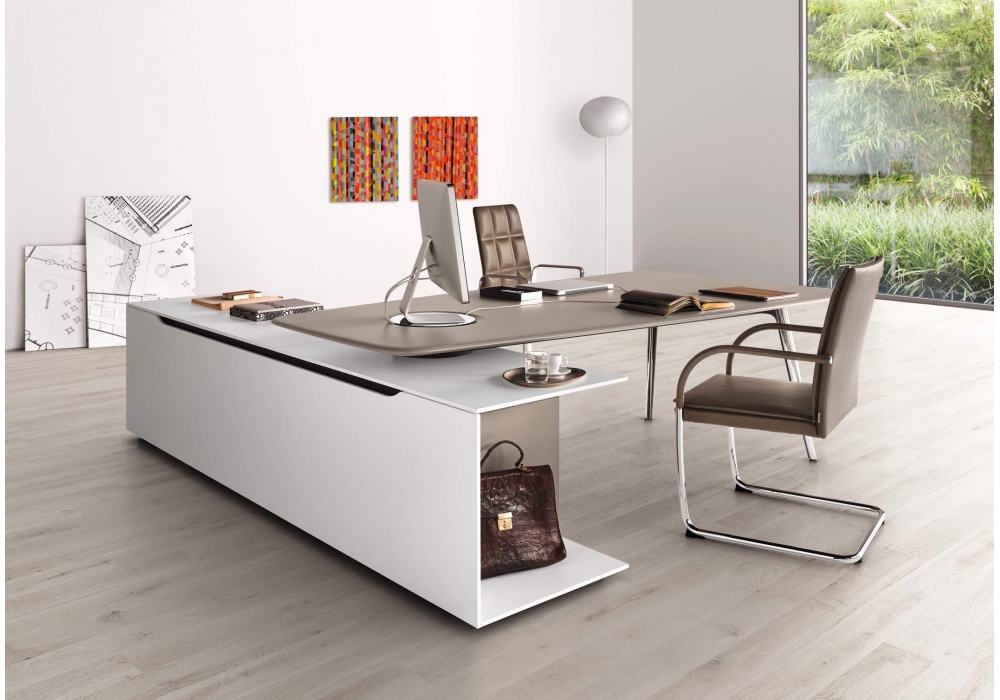
Choosing the right meeting table is more than just picking a piece of furnitureits about creating a functional and inspiring space that fosters communication, collaboration, and decision-making. In modern office design, meeting rooms play a pivotal role, whether for brainstorming sessions, client pitches, or internal planning. A well-chosen meeting table not only complements the aesthetics of your workspace but also supports team productivity by encouraging interaction and engagement. The design, size, and shape of the table all influence how people interact with each other during meetings. From compact huddle spaces to executive conference rooms, the type of meeting table used can either enhance or hinder collaboration. Therefore, businesses that understand the psychology of office furniture design often gain a competitive edge by optimizing these spaces for employee performance and comfort.
The Role of a Meeting Table in Modern Office Spaces
As businesses shift toward hybrid and open-plan workspaces, the role of the meeting table has evolved. It is no longer just a surface to place laptops and notepadsit becomes the hub where ideas come alive. In startups and creative agencies, you might find collaborative tables with whiteboard surfaces for idea mapping, while in corporate settings, large conference tables with integrated power and data modules are more common. This multifunctionality is crucial in todays work culture where meetings are no longer limited to formal discussions. A meeting table may be used for video conferences, team stand-ups, planning sprints, or casual debriefs. Hence, selecting the right materials, finishes, and configurations is vital. Wood finishes exude elegance, while glass surfaces add modern sophistication. Foldable or modular tables offer flexibility, which is ideal for organizations that frequently reconfigure their meeting rooms based on team sizes and purposes.
Factors to Consider When Choosing a Meeting Table
When selecting a meeting table for your office, there are several important factors to keep in mind to ensure the space is both functional and aesthetically pleasing. First, consider the size of the room. A table thats too large can make the space feel cramped and uncomfortable, while a table thats too small may limit interaction. It's important to leave enough clearance around the table so attendees can move around freely. Second, think about the number of participants your typical meetings involve. You want everyone to feel included without crowding the table. Shape is another consideration. Round tables promote equality and open communication, making them ideal for collaborative discussions. Rectangular tables are more formal and structured, which works well for presentations and executive meetings. Technology integration is also essential todaylook for tables with built-in cable management, charging ports, and AV connectivity. Comfort shouldn't be ignored either. Make sure the height of the table works well with standard meeting chairs and that legroom is ample for all users.
Meeting Table Designs That Boost Team Productivity
A thoughtfully designed meeting table can significantly improve team dynamics and productivity. For instance, oval or boat-shaped tables give everyone a clear line of sight, which enhances engagement and eye contactboth essential for effective communication. Height-adjustable tables are becoming increasingly popular for meetings that alternate between sitting and standing. This flexibility helps combat fatigue and keeps participants mentally active. Some businesses even opt for mobile meeting tables with locking wheels for added versatility in open office environments. Materials and colors can also influence mood and behavior. Natural materials like oak or walnut evoke warmth and trust, while monochrome or matte finishes offer a more professional tone. Ergonomic design elements like rounded edges reduce physical discomfort during extended meetings. Storage integrationsuch as drawers or hidden compartmentscan help keep the tabletop clutter-free, contributing to a more organized and productive meeting experience. Ultimately, investing in a well-designed meeting table creates an atmosphere conducive to creativity, collaboration, and strategic thinking.
Customization and Branding Opportunities
A meeting table is also a subtle yet powerful branding tool. Custom furniture design allows businesses to reflect their companys values, personality, and culture through their office layout. For example, a tech startup might go for sleek, minimalist tables with aluminum legs and tempered glass tops to project innovation and modernity. In contrast, a law firm might choose rich wood finishes to communicate professionalism and tradition. Companies often add personalized elements like company logos etched into the surface or brand-colored finishes to reinforce their corporate identity. Custom-built meeting tables also allow for unique configurations that perfectly fit irregular-shaped rooms or fulfill specific user needs. U-shaped tables work well for boardrooms, while modular square tables offer flexibility for multi-purpose meeting spaces. This level of customization ensures that the furniture is not only functional but also leaves a lasting impression on visitors, partners, and potential clients. Additionally, well-branded meeting spaces can instill a sense of pride among employees, increasing overall morale and commitment to the company culture.
Sustainability and Material Considerations
In todays eco-conscious work environment, businesses are paying closer attention to the sustainability of their office furnitureincluding the meeting table. Choosing sustainable materials like FSC-certified wood, recycled metals, and low-VOC finishes not only minimizes environmental impact but also aligns with corporate social responsibility goals. Many furniture manufacturers now offer green-certified options that are both stylish and durable. Bamboo, reclaimed wood, and laminate alternatives are gaining popularity for their aesthetic appeal and sustainable properties. Durability is another aspect of sustainability. Investing in high-quality materials ensures that the meeting table withstands daily wear and tear, reducing the need for frequent replacements. Furthermore, modular and reconfigurable designs allow companies to adapt existing tables to changing spatial needs without purchasing entirely new furniture. This helps reduce waste while optimizing cost-effectiveness. When businesses prioritize sustainable furniture choices, they demonstrate environmental stewardship to stakeholders, clients, and employees alikeenhancing their brand reputation and contributing to a greener future.
Conclusion
A well-chosen meeting table is more than a piece of office furnitureit is the centerpiece of collaboration, innovation, and strategic planning in the workplace. From material and size to shape and integrated features, every aspect plays a role in creating an environment where teams can communicate effectively and produce their best work. Whether you're redesigning your office or furnishing a new one, make sure the meeting table aligns with your business goals, culture, and workflow. Thoughtfully selected meeting tables enhance not just the functionality of a space but also its energy and productivity. For businesses in the Philippines looking to create modern and efficient office spaces, office furniture Manila offers a range of meeting tables that combine functionality, style, and ergonomic excellence to meet diverse professional needs.