Acne is one of the most common skin conditions affecting millions of people worldwide, regardless of age, gender, or skin type. It not only impacts physical appearance but also often takes a toll on self-esteem and mental well-being. From teenage breakouts to adult hormonal acne, understanding the causes and finding the right solutions can make a significant difference in skin health.
In this comprehensive article, well explore effective acne solutionsranging from lifestyle changes and over-the-counter products to natural remedies and professional treatmentsdesigned to help you achieve clearer, healthier skin.
What Causes Acne?
Before diving into solutions, its important to understand what causes acne. Acne typically occurs when:
-
Excess oil (sebum) clogs pores.
-
Dead skin cells accumulate.
-
Bacteria (especially Propionibacterium acnes) multiply in the clogged pores.
-
Hormonal imbalances trigger increased oil production, especially during puberty, menstruation, or stress.
-
Diet, genetics, and skincare habits also play a role.
The combination of these factors leads to various forms of acne: blackheads, whiteheads, papules, pustules, nodules, and cysts.
Topical Over-the-Counter Acne Solutions
There are several effective over-the-counter (OTC) products that target acne directly. These include:
1. Benzoyl Peroxide
-
Action: Kills bacteria, dries out active acne, and reduces inflammation.
-
How to use: Start with a low concentration (2.5%-5%) to avoid irritation.
-
Caution: May cause dryness and bleaching of clothes or towels.
2. Salicylic Acid
-
Action: Exfoliates the skin and clears clogged pores.
-
Best for: Blackheads and whiteheads.
-
Tip: Use a gentle cleanser or toner with salicylic acid daily.
3. Retinoids (Adapalene)
-
Action: Unclogs pores and promotes cell turnover.
-
Benefits: Prevents future acne and improves skin texture.
-
Advice: Start slowly (23 times a week) and increase as skin adapts.
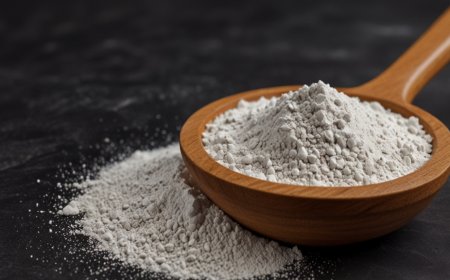
4. Sulfur and Clay Masks
Natural and Home Remedies
Many people prefer natural alternatives to chemical treatments. Here are some proven natural acne solutions:
1. Tea Tree Oil
2. Aloe Vera
-
Benefits: Soothes irritated skin, heals wounds, and reduces redness.
-
Use: Apply pure aloe vera gel daily after cleansing.
3. Apple Cider Vinegar
-
Function: Balances pH, kills acne-causing bacteria.
-
Use with caution: Dilute heavily before applying; overuse may lead to burns or irritation.
4. Green Tea Extract
Lifestyle and Dietary Changes
The connection between diet and acne is increasingly recognized. A healthy lifestyle plays a critical role in skin clarity.
1. Eat a Low-Glycemic Diet
-
Avoid: Sugary snacks, white bread, soda.
-
Include: Whole grains, vegetables, and legumes.
2. Limit Dairy Intake
3. Stay Hydrated
4. Manage Stress
-
Reason: Stress triggers hormone production, leading to breakouts.
-
Solutions: Try yoga, deep breathing, meditation, or regular exercise.
Skincare Routine for Acne-Prone Skin
A consistent and gentle skincare routine is vital for acne prevention and management.
Morning Routine:
-
Cleanser: Use a gentle, non-comedogenic cleanser.
-
Toner (optional): Helps remove leftover impurities.
-
Treatment: Apply acne treatments (like salicylic acid or benzoyl peroxide).
-
Moisturizer: Opt for an oil-free, non-comedogenic product.
-
Sunscreen: Use broad-spectrum SPF 30+ daily.
Evening Routine:
-
Double Cleanse: Remove makeup and dirt.
-
Treatment: Use retinoids or other targeted treatments.
-
Moisturizer: Hydrate the skin overnight.
When to See a Dermatologist
Sometimes, OTC and natural remedies arent enough. If your acne is:
its time to consult a dermatologist.
Prescription Treatments May Include:
-
Topical or oral antibiotics
-
Stronger retinoids (like tretinoin)
-
Hormonal treatments (e.g., birth control pills or spironolactone)
-
Isotretinoin (Accutane) for severe cases
Advanced and Professional Acne Treatments
If you're looking for faster or more dramatic results, consider these dermatologist-approved procedures:
1. Chemical Peels
2. Laser and Light Therapy
3. Microneedling
4. Drainage and Extraction
Final Tips for Acne Prevention and Healing
-
Avoid touching your face to prevent the spread of bacteria.
-
Clean your phone screen, pillowcases, and makeup brushes regularly.
-
Dont pop pimples, as it can worsen inflammation and cause scarring.
-
Be patient and consistentmost acne treatments take 612 weeks to show full results.
Conclusion
Acne can be frustrating, but its treatable. With the right combination of skincare, lifestyle changes, and professional guidance, you can achieve clearer, healthier skin. Whether you choose natural remedies, OTC products, or medical treatments, consistency and care are the key to success. Remember, everyones skin is differentwhat works for one may not work for another. Be kind to your skin, and dont give upyour journey to clear skin is absolutely worth it.